SADR STONE · Architecture journal
Thermowood or wood-effect concrete?
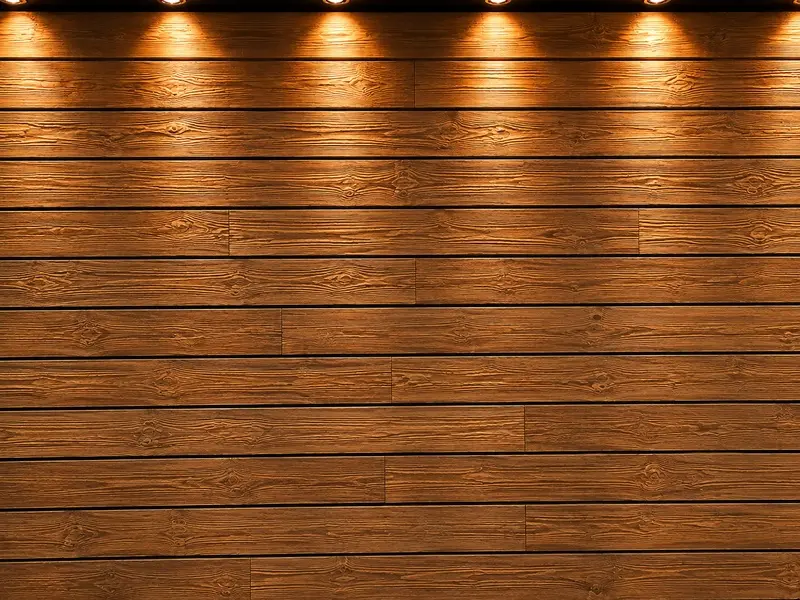
Thermowood and wood-effect concrete can be considered for the same architectural brief, but the better fit depends on the project. Thermowood is heat-treated timber and wood-effect concrete is a cement-based finish with a moulded grain. Start with the intended use and appearance, then compare the complete cost, weight, fixings and maintenance of two specified systems.
What evidence is available for this comparison?
The Sadr Stone site provides a wood-effect concrete range, the Thermowood-design product page with code 17 and a price list for initial research. These do not replace two dated, comparable quotations or comparative product tests. This article supplies no quoted installed-cost comparison, comparative durability test or fixed service life for the alternatives, so it cannot establish a saving percentage or a universal winner.
Appearance and touch: compare physical samples
Thermowood retains its timber material character. Wood-effect concrete reproduces a grain pattern, with its own touch, edges and pattern repetition. For both, inspect colour variation, installation direction, corners, joints and viewing distance in an installed sample. If real timber is a design requirement, a similar concrete photograph does not meet it. If the objective is visual texture, a concrete sample can also be evaluated.
Weight and fixings: review two complete systems
For thermowood, obtain the timber species, section, weight and proposed support and fixing details. For wood-effect concrete, request the model code, dimensions, thickness, piece weight and fixing details for that variant. Compare total weight including support and fixings. Similar appearance or area does not mean the same anchors and substructure can be reused. Façade, floor, roof-garden and wet-area suitability need separate confirmation.
Durability and care: use product-specific evidence
Thermowood care depends on the product, exposure and the desired colour retention. Wood-effect concrete also needs maintenance, including attention to its surface, joints, moisture and any coating. For both, obtain cleaning instructions, coating-renewal requirements, use limitations and performance evidence relevant to the climate. Neither material name establishes service life, frost resistance, fire performance or lower maintenance cost.
Repair and replacement: assess access and colour matching
Ask how a damaged board or tile can be removed and replaced, how much adjacent work must be opened and what access will cost. Check replacement availability and how a new sample matches the weathered surface. Local repairability depends on fixing design and access, not the material name alone.
Complete a cost worksheet using like-for-like quotations
Set the same area, location, required visual quality and assessment period with explicit start and end years for both options. Record the product specification, quotation date and validity. Use matching rows for material and layout-based waste, support and fixings, transport and unloading, access and labour, cleaning and any required initial finish. State the amount, currency and exclusions for each row so prices per square metre do not conceal different scopes.
For that same assessment period, estimate the frequency and cost of cleaning, finish renewal, inspections, access and potential replacement using manufacturer instructions and explicit assumptions. Initial cost plus those periodic costs is the project comparison basis. Do not enter zero for an unknown price or maintenance interval, mark it for quotation. Without these entries, a cost advantage or longer service life cannot be established.
How to make the final decision
If timber character and touch are essential, evaluate thermowood with the right specification and care plan. If the brief seeks a wood pattern on a concrete finish, assess the selected concrete model for the approved use. The final choice should pass the sample review, product-document checks, installation design and complete-cost comparison together. Neither material is an automatic substitute based on a name, image or price claim.